

What Happens During the First 28 Days of Concrete Curing?
September 1, 2026
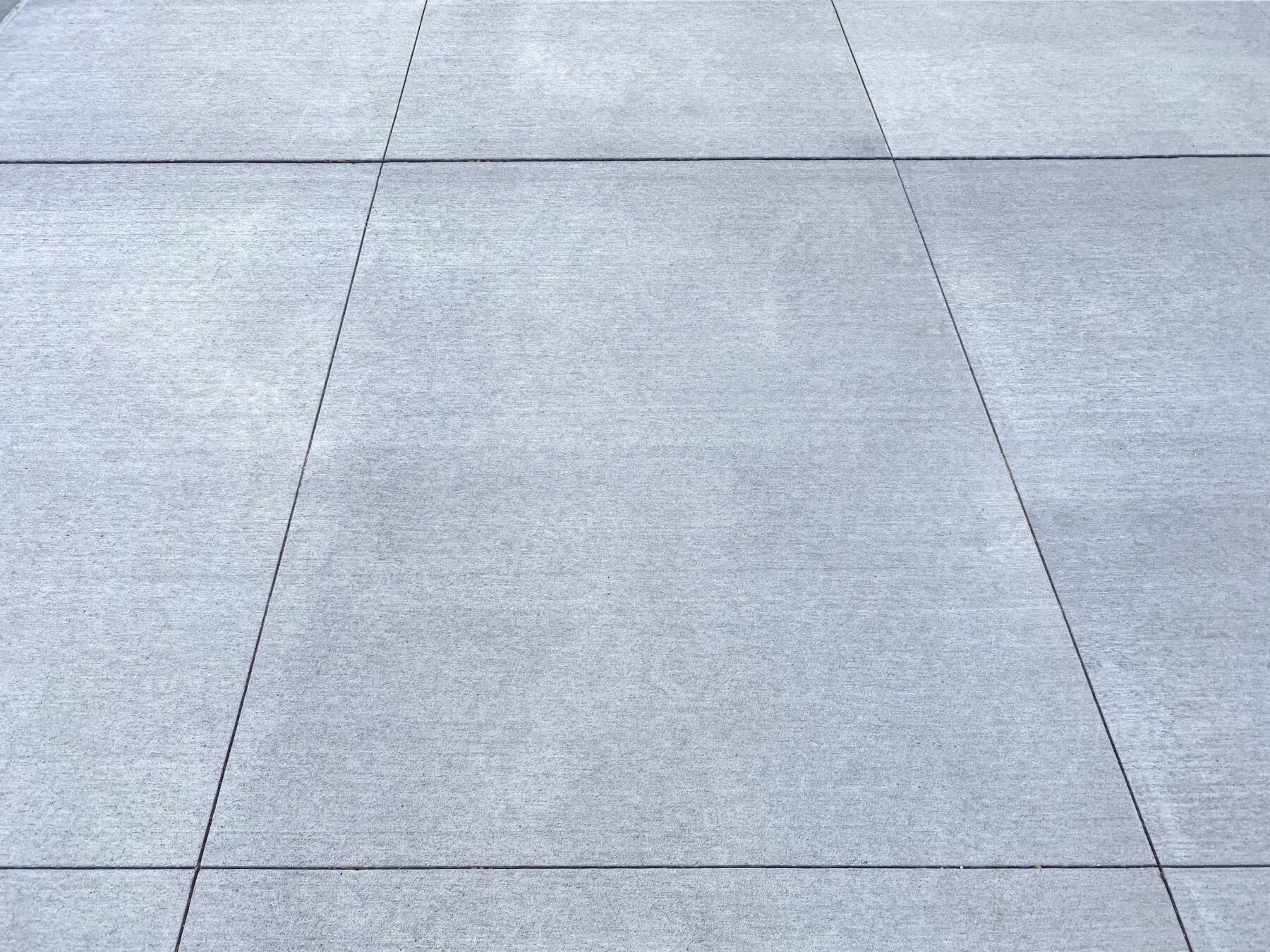
A slab can look done within hours of the final trowel pass. It isn’t. Cement keeps reacting with water for weeks, and the strength that ends up carrying a driveway, foundation or commercial pad is still forming long after the surface feels hard. Miss the moisture and temperature window during that stretch, and the concrete never reaches the number the job was specified for.
What Happens During the First 24 Hours?
Curing starts the moment cement and water meet. Within a few hours, the mix shifts from workable paste to a set slab that holds foot traffic but nothing heavier. That early reaction throws off its own heat as it locks together, which signals hydration is working, not finishing.
Protection has to start almost as soon as the last pass is done. A slab left uncovered loses moisture faster than hydration can use it, leaving the top layer weaker than the concrete beneath. A curing compound sprayed on right after finishing, or a cover that traps moisture at the surface, keeps that first reaction fed.
How Much Strength Does Concrete Gain in the First Seven Days?
Concrete gains strength fastest in the first week, often reaching close to two-thirds of its design strength before day seven. That pace depends on one thing: how much unreacted cement still sits surrounded by water. Keep the water there and the reaction keeps building. Let the surface dry out and hydration stalls before the cement fully reacts, leaving a more porous slab than a properly cured one.
Wet burlap, soaker hoses or a sprayed-on curing compound each hold moisture in place. The right choice comes down to the slab’s exposure and how much attention a crew can give it through the week. The same mix decisions that keep a hot-weather pour workable, adjusting water content and set time, also shape how well that batch holds moisture once the truck pulls away.
What Does the 28-Day Mark Actually Measure?
Twenty-eight days is a testing convention, not the finish line for the chemistry. Labs break sample cylinders cast from the same batch at that age because it gives a consistent, comparable check against the psi an engineer specified. By 28 days, hydration has slowed enough that the strength gained afterward makes up a smaller share of the total, so the number carries real weight. A slab that tests short at that point can often be evaluated and, in many cases, addressed before it turns into a structural problem.
How Do Overnight Temperature Swings Affect Curing?
Wide swings between afternoon heat and cool nights stress a slab while it’s still curing. Inland Sonoma County runs some of the sharpest swings in the region, with summer highs across the Santa Rosa Plain and the Russian River valley near Windsor climbing 30 to 40 degrees above the overnight low.
A curing slab doesn’t track the air the way a finished surface does. When afternoon heat drives up surface evaporation just before a cool night lands, the outer layer dries and contracts faster than the concrete underneath. That mismatch surfaces later as crazing or hairline cracking, most often on exposed flatwork poured without afternoon shade. A cover placed over the slab through that transition, or a pour timed so the heaviest hydration finishes before the swing hits, keeps the surface and interior curing at closer to the same pace. A mix design consultation built around the week’s forecast can adjust set time and water content before the pour, not just after.
Planning the Pour Around the Curing Window
Concrete keeps curing past day 28, but by then strength development has slowed enough to make 28-day testing a dependable benchmark. What matters most happens in the days before it: give hydration steady moisture and stable temperatures, and the slab develops the strength it was designed for. Northgate Ready Mix has supplied the North Bay since 1985, running plants in Windsor and Sonoma that keep delivery close to the job. Plan mix design and delivery timing around the curing window a specific pour calls for, and the concrete does what the job asked of it.
Frequently Asked Questions
When Can You Walk on Newly Poured Concrete?
Most slabs hold foot traffic within 24 hours of finishing, once the surface has set firm. Keep it light. The concrete is still early in its strength gain, and heavier loads at this stage can mark or damage a surface that hasn’t developed much strength yet.
When Can Concrete Take Vehicle Traffic?
A residential slab typically needs about seven days before it handles regular vehicle weight, since that first week builds roughly two-thirds of its design strength. For heavier or commercial loads, many specs wait until the concrete reaches its 28-day strength to avoid stressing a slab before it’s ready.
What Happens if Concrete Dries Too Fast?
Fast drying pulls moisture away before hydration can use it. The reaction slows or stops early, leaving a weaker, more porous slab and a surface prone to crazing, dusting or hairline cracks. Curing compounds, covers and steady moisture through the first week prevent it.
Does Concrete Stop Curing After 28 Days?
No. Concrete keeps gaining strength well beyond 28 days, just at a much slower pace. The 28-day mark is a testing benchmark, not the end of hydration. It works because the strength gained after that point makes up a small share of the total.
How Do Hot Days and Cold Nights Change Curing?
Large temperature swings dry and contract the surface faster than the interior, which can crack exposed flatwork. In areas like inland Sonoma County, timing the pour, shading the slab or covering it through the swing keeps the surface and interior curing at a similar rate.