

Indoor Concrete Projects to Tackle This Winter: Basement Floors and Workshop Spaces
December 3, 2025
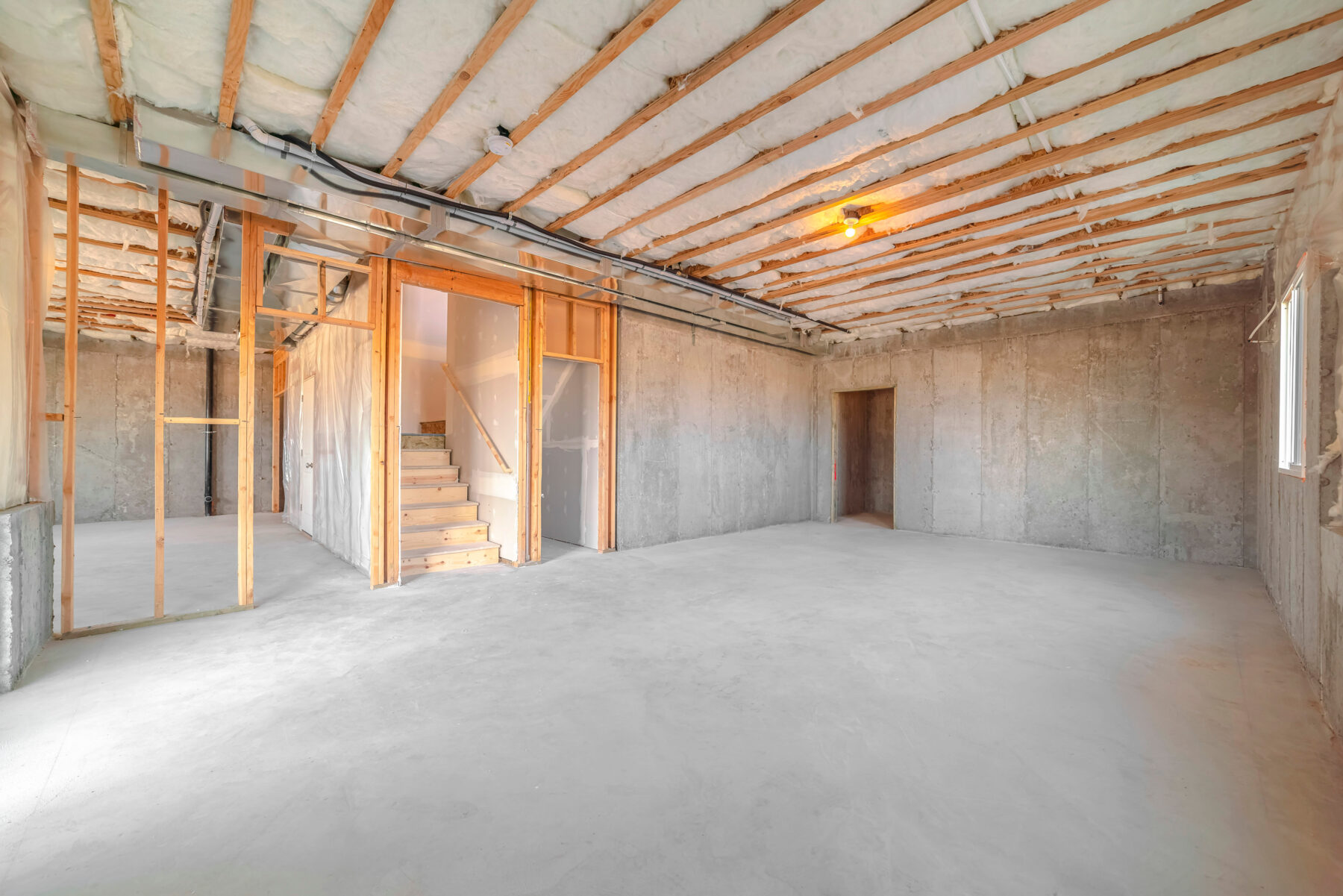
Winter often shifts attention indoors, creating an ideal period to upgrade the spaces that support daily activity and long-term property value. Concrete work fits naturally into this season because indoor environments offer steady temperatures that encourage controlled curing and predictable results. Basement floors and workshop areas benefit most from these conditions, especially when the installation is guided by careful preparation, the right mix selection, and finishing methods built for functional, durable surfaces.
Preparing the Space for a Reliable Installation
A successful indoor concrete floor begins with a substrate that can support the new slab consistently. Clearing dust, loose debris, and residual moisture creates contact conditions that help the mix bond with the underlying surface. This early step influences how well the slab accepts coatings, adhesives, or equipment loads once the space is back in regular use.
Once the surface is clean, adjustments to the existing grade shape the final result. Low spots get filled to prevent pooling, while raised sections are reduced for a flatter profile. This shaping work promotes even placement, allowing the concrete to move across the space with consistent depth. Reinforcement layout follows, especially in workshops that anticipate heavy storage or machinery. Wire mesh or rebar adds structural stability and keeps the floor aligned under continuous loading.
Selecting a Mix that Matches Everyday Demands
Different indoor environments call for mixes that respond to the specific stresses of the space. Basements intended for finishing or general use often rely on a standard residential mix that provides dependable strength and smooth finishing characteristics. Spaces that support fabrication benches, tool stations, or mechanical equipment require a higher strength blend that maintains rigidity under concentrated loads.
Some indoor areas still experience mild temperature variation, and an air-entrained option helps the slab remain resilient when conditions shift throughout the year. When moisture control is a priority, vapor-barrier-friendly mixes pair well with underlayment systems designed to block ground humidity. Each mix selection shapes performance well beyond installation, reinforcing how essential it is to match the material with the room’s long-term purpose.
Placing and Finishing the Concrete with Precision
With the space prepared and the mix ready, the placement process sets the foundation for the finished floor. Crews guide the concrete into the room and distribute it across the substrate in smooth, uninterrupted passes. This consistency helps prevent uneven settling and reduces corrective work during finishing. Screeding aligns the slab at the chosen elevation, and floating begins shaping the surface for the desired finish.
As the concrete firms, troweling techniques refine the final appearance and performance. Basements that will receive flooring materials benefit from a lighter finish that offers better adhesion for tile, carpet, or engineered products. Workshop spaces often receive a denser trowel finish that resists abrasions and creates an ideal base for sealers or epoxy systems. This finishing stage influences not only the look of the floor but also how it stands up to foot traffic, tools, and daily activity.
Managing Curing Conditions for Strong, Predictable Results
One of the advantages of winter interior work is the ability to maintain stable curing conditions. Controlled temperature and airflow help the slab hydrate at a steady rate, reducing the chance of surface inconsistencies. Moisture retention methods, including curing compounds or coverings, support strength development during the early days after placement.
Once the slab reaches appropriate moisture levels, protective coatings can be added to enhance performance. Sealers provide chemical resistance for workshop floors exposed to oils or solvents, while breathable coatings suit basements that benefit from easy cleaning and light protection. This sequence ties the installation together and prepares the surface for consistent use throughout the year.
Building Year-Round Value Through Winter Improvements
Indoor concrete projects completed during winter provide functional upgrades that support both everyday comfort and long-term durability. Basement floors gain a cleaner, more stable foundation for future finishing plans, while workshop spaces benefit from surfaces built to handle constant movement, equipment weight, and frequent maintenance routines. These enhancements rely on concrete’s ability to deliver strength, structure, and versatility within controlled indoor environments.
When winter directs attention inside, concrete offers a dependable way to transform the spaces that anchor a property’s utility. Through thoughtful preparation, precise placement, and material choices aligned with the room’s purpose, basement and workshop floors become durable assets ready to support work, storage, and future improvements year-round.