

Choosing the Right Concrete Mix for Driveways, Foundations, and Heavy-Use Areas
May 8, 2026
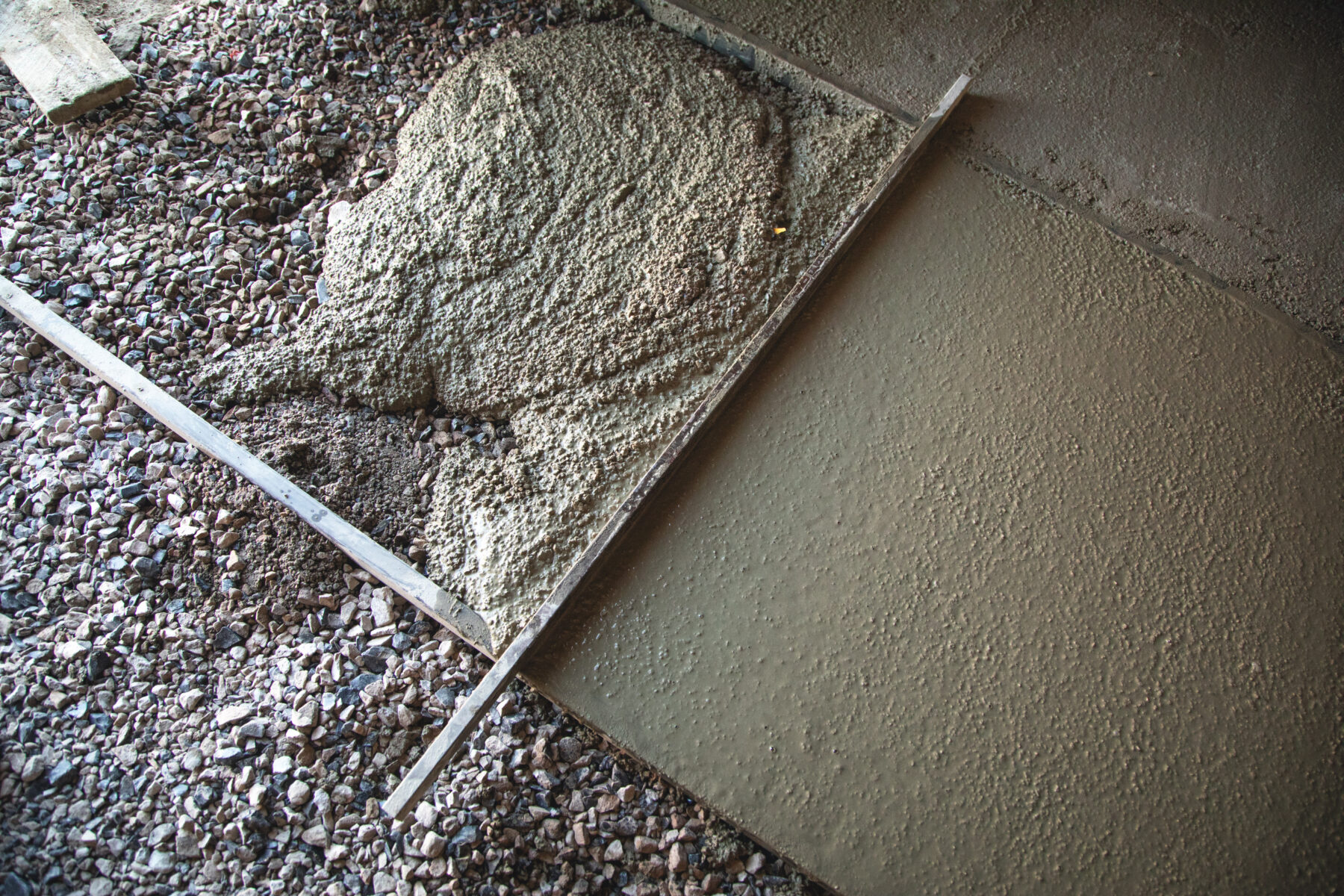
Choosing the right concrete mix is the foundation of a durable driveway, strong foundation, or heavy-use slab. The performance of each pour depends on how well the mix is matched to the site conditions, expected loads, and finishing requirements. A professionally specified mix controls cracking through the first season, holds the surface against wheel loads, and keeps foundation footings seated through soil movement. Smart specification starts with a clear picture of how each pour will be loaded, exposed, and finished.
Driveways and Residential Slabs
Under the weight of vehicle tires, a residential driveway slab carries more localized stress than most homeowners realize. A 4-inch driveway specified at 3,500 PSI handles passenger vehicles, while a 5 to 6-inch slab at 4,000 PSI is the working standard for trucks, RVs, and trailers parked on residential lots throughout Windsor and Sonoma. Mix design for that application typically runs a six-sack cement content with a 4 to 5-inch slump and a maximum aggregate size of three-quarter inch, which keeps the surface tight enough for a broom finish without losing the interlock that resists rutting. Air entrainment near 5 percent is worth specifying for elevations where overnight temperatures dip below freezing during winter storms moving across the coastal range.
Foundations and Footings
Footing and stem wall pours sit in direct contact with native soil, which means expansive clay that swells with winter rain and shrinks through the dry summer. A foundation mix in the 3,000 to 3,500 PSI range with a 4-inch slump pours cleanly into formwork while developing the compressive capacity needed under a wood-framed structure. Larger commercial footings often step up to 4,000 PSI with a water-reducing admixture, which lowers the water-cement ratio without sacrificing workability around rebar cages and anchor bolts. Pour sequence matters as much as the mix itself, since cold joints between footing and stem wall placements need a clean bonding surface and proper consolidation through internal vibration.
Heavy-Use and Commercial Slabs
Beyond residential applications, loading docks, equipment pads, agricultural floors, and commercial parking aprons all push past what a standard residential mix can carry. A 4,500 to 5,000 PSI mix with a lower water-cement ratio and a stiffer 3-inch slump moves the material into placement-and-screed mode rather than self-leveling, which protects the surface from segregation under the heavier coarse aggregate. Synthetic or steel fiber reinforcement added at the batch plant distributes tensile capacity throughout the slab, holding micro-cracks closed when forklift wheels and loaded trailers track across the surface. A mid-range water reducer paired with a hydration stabilizer extends the placement window during hot summer afternoons, when ambient temperatures push the concrete past the 90-degree threshold where plastic shrinkage cracks tend to form.
Climate, Soil, and Site Conditions
Local conditions shape every mix design before the first yard leaves the plant. Summer pours through July and August call for cooler batch water, retarders, or early morning placements to keep the heat of hydration from spiking above 160 degrees within the slab. Winter pours into saturated clay subgrades benefit from accelerators that move set time forward and reduce the window where surface bleed water can compromise the troweled finish. Seismic detailing also influences mix selection, since shear walls and grade beams carrying lateral loads typically pair higher cement content with tighter rebar spacing and more aggressive consolidation.
Matching the Mix to the Application
Before the truck rolls onto the site, project specs and field conditions need to converge on a single ticket. Project drawings, soils reports, and structural engineer notes drive PSI, slump, aggregate size, and admixture packages, while the contractor’s placement method, finishing schedule, and curing plan determine which adjustments make sense at the dispatch desk. A driveway crew working in late afternoon needs a different ticket than a foundation crew chasing first light, even if both pours specify the same 4,000 PSI base mix. Tight coordination between the specifier and the supplier puts the right ticket on the truck the first time, with PSI, slump, and admixture choices matched to the conditions waiting at the slab edge.
Northgate Ready Mix has supplied many areas with mix designs tailored to driveways, foundations, and heavy-use slabs. The team reviews project specifications, recommends admixture combinations matched to local soils and climate, and dispatches loads on a schedule that protects placement windows. Contact the company today to put a project-matched ready-mix design under your next pour.