

Ready-Mix Concrete for Commercial Pads: Load Requirements and Mix Considerations
February 3, 2026
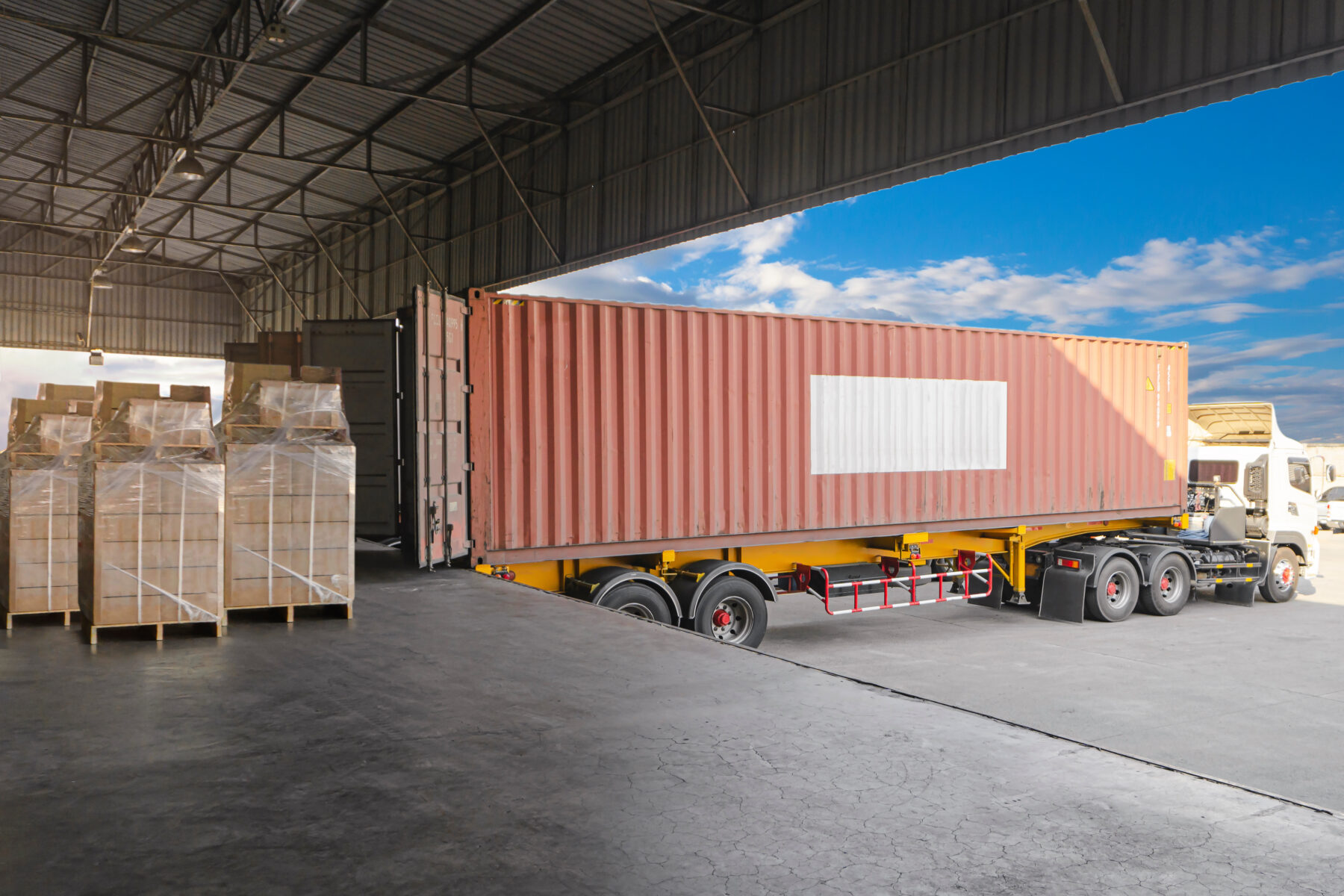
Commercial pads support daily operations beneath warehouses, loading docks, retail facilities, and manufacturing environments. These slabs carry weight continuously, absorbing pressure from structures, equipment, and vehicle traffic without drawing attention to themselves. That reliability is not accidental. It begins well before placement, with ready-mix concrete designed to align precisely with site demands.
Load requirements and mix considerations are practical decisions in commercial construction, not theoretical exercises. They shape how a slab carries weight, responds to movement, and maintains serviceability year after year. Ready-mix concrete provides the control needed to address those demands deliberately rather than relying on assumptions.
Defining Load Expectations at the Design Stage
Every commercial pad operates under a unique combination of forces, even when projects appear similar on the surface. Static loads from structures, storage systems, and fixed equipment apply constant pressure, while dynamic loads from forklifts, delivery vehicles, and material handling introduce repeated stress cycles. Understanding how these forces interact is essential before a single batch is produced.
Ready-mix concrete allows load expectations to be addressed directly in the mix design. Compressive strength targets are selected based on slab thickness, reinforcement strategy, and anticipated traffic patterns. Higher load environments often require increased cementitious content and tighter production tolerances to ensure strength develops uniformly across the entire pad, not just in isolated areas.
How Mix Design Shapes Load Behavior
The internal structure of concrete plays as much of a role in load response as compressive strength alone. Aggregate gradation, paste quality, and water control work together to influence how stresses move through the slab. Well-graded aggregates create a dense, interlocked matrix that improves load transfer while limiting internal movement under pressure.
This density reduces shrinkage, helps manage cracking, and supports long-term durability. Ready-mix production makes it possible to maintain these proportions consistently, which becomes critical on large commercial placements where variability can create weak zones. Uniformity across the pour ensures the slab responds predictably as loads are applied over time.
Water-cement ratio remains one of the most influential factors in how a slab responds to sustained and repeated loading. Lower ratios increase strength and reduce permeability, but workability must still support proper placement and finishing. Admixtures provide flexibility, improving flow and finishability without compromising structural capacity or consistency.
Reinforcement Compatibility and Stress Control
Concrete slabs rarely rely on mix design alone to manage load. Reinforcement strategies are selected to complement the ready-mix and guide how stresses are distributed throughout the slab’s service life. The objective is not to eliminate cracking entirely, but to control where and how it occurs so structural consistency is maintained.
Fiber-reinforced ready-mix concrete has become a valuable option for commercial pads where toughness and load distribution are priorities. Fibers work throughout the slab, helping manage microcracking and improving resistance to impact and fatigue. Traditional reinforcement methods remain essential in heavier-duty applications. When rebar or wire reinforcement is specified, the concrete mix must support proper consolidation and coverage. Ready-mix consistency ensures reinforcement engages as designed rather than being compromised by segregation or uneven placement.
Environmental Exposure and Operational Conditions
Commercial pads operate within environments that extend beyond load alone. Temperature swings, moisture exposure, and chemical contact all influence long-term durability. Ready-mix concrete can be adjusted to account for these conditions while preserving structural capacity.
Air entrainment improves resistance to freeze-thaw cycles in regions with seasonal temperature variation. Supplementary cementitious materials reduce permeability and enhance internal density, protecting slabs from moisture intrusion and chemical exposure common in industrial and commercial settings. These adjustments strengthen the concrete internally while maintaining load capacity across extended service cycles.
Operational schedules also influence mix decisions. Facilities that require early access benefit from mixes designed for accelerated strength gain. Ready-mix producers can tailor cement chemistry and admixture packages to meet construction timelines without sacrificing durability or long-term reliability.
Placement and Curing as Load Protection Measures
Even the most carefully designed mix depends on proper placement to deliver its full value. Delivery consistency, finishing practices, and curing procedures all influence how a commercial pad carries load over time.
Ready-mix concrete provides uniformity from truck to truck, reducing variability across large pours. This consistency supports predictable strength development, slab flatness, and joint behavior, all of which are critical in load-bearing applications. Proper curing preserves these advantages by allowing hydration to progress evenly, reducing surface stress and internal imbalances.
Commercial pads form the foundation of daily operations, supporting weight, movement, and expectation without interruption. Ready-mix concrete provides the control required to meet those demands with confidence. Load requirements, mix design balance, reinforcement compatibility, and environmental considerations come together long before placement begins. When concrete is treated as a designed system rather than a commodity, commercial projects gain slabs built for durability, consistency, and long-term value.