

Concrete vs. Cement: What’s the Difference and Why It Matters
November 11, 2025
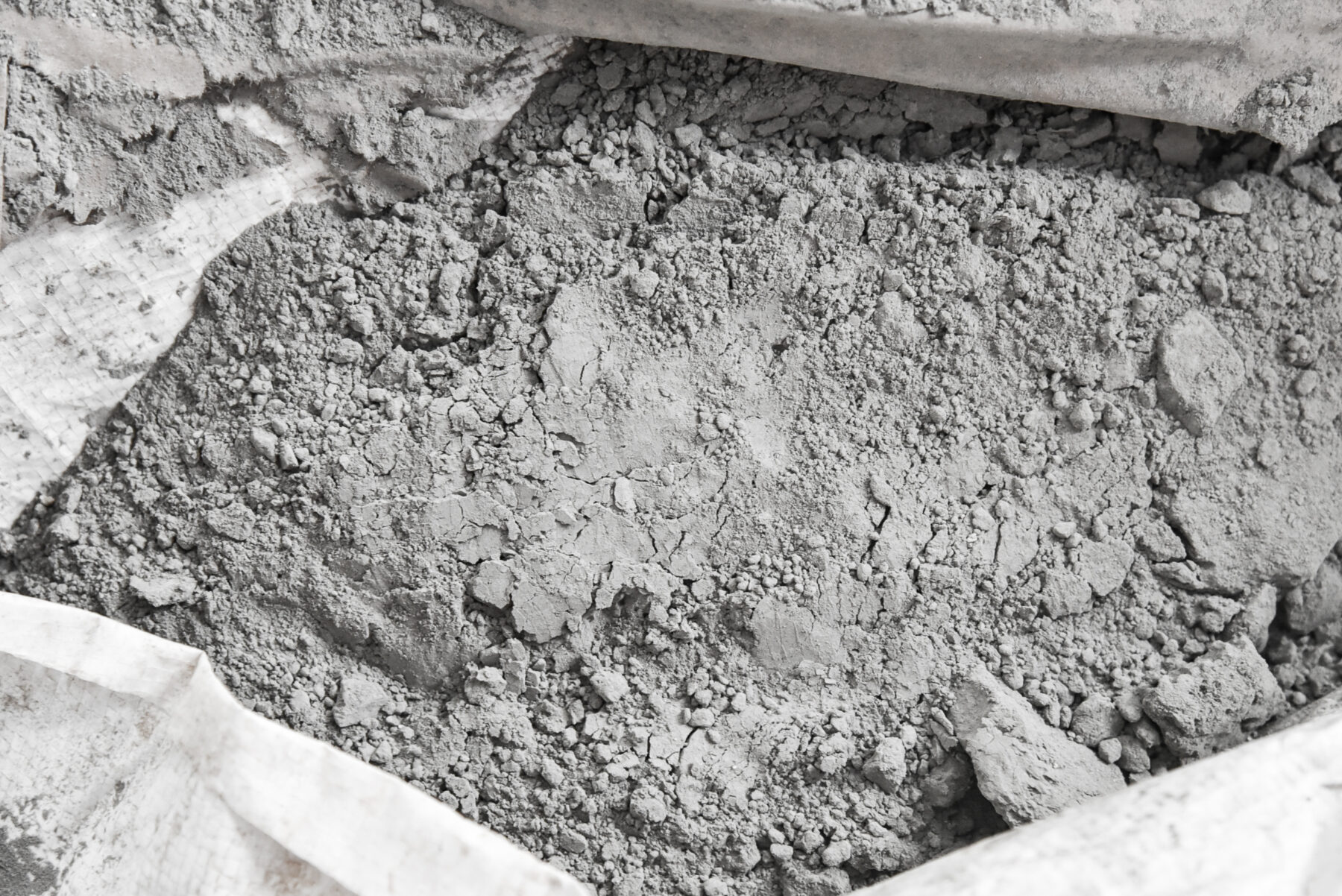
Concrete and cement are often mentioned in the same breath, yet they serve entirely different roles in construction. Confusing one for the other might seem like a small detail, but in this industry, precision defines performance. While cement is the ingredient, concrete is the system. One sets the reaction in motion, while the other delivers the structure that carries the load. Understanding that distinction drives better material choices, stronger results, and longer-lasting builds.
Cement is the Active Ingredient Behind Every Mix
Cement is made through the process of heating a mixture of limestone, clay, and other minerals in a kiln until they form clinker, which is then ground into a fine powder. When water is added, cement hardens through a chemical process called hydration, binding everything it touches. It is what gives concrete its cohesive strength. On its own, however, cement is incomplete. It hardens quickly, shrinks as it cures, and cracks without support. Cement’s aim is to activate and bond, but actual stability emerges only when coupled with aggregates and water in a well-balanced mixture.
Concrete is the Complete Material
Concrete is where those components come together to form something functional and enduring. It combines cement, water, and aggregates like crushed stone, gravel, or sand. Each plays a defined role. Cement binds, aggregates reinforce, and water activates. The precision in these ratios determines everything from setting time to compressive strength.
Quality aggregates give concrete its integrity. They fill volume, control shrinkage, and resist wear. The water-to-cement ratio, meanwhile, controls density and performance. Too much water can weaken the structure while too little can make placement inconsistent. When balanced correctly, the result is a material that can be molded, pumped, or poured into almost any form, maintaing strength for decades.
Concrete’s adaptability is unmatched. It can form bridge decks that withstand constant traffic, industrial floors that resist abrasion, or polished finishes that define architectural design. However, behind every application remains the principle that mix only performs as well as the materials and precision behind it.
Why the Difference Shapes Performance
In construction, accuracy is a requirement. Using the word “cement” when referring to “concrete” can lead to costly misunderstandings, especially during mix design or project specification. Cement on its own acts as the binder that makes structure possible, while concrete builds on that foundation as the engineered product designed to perform under load, exposure, and time.
Every project depends on understanding how these materials behave. Concrete producers adjust cement content to meet conditions like precast strength, freeze-thaw durability, and marine resistance. Knowing the difference allows teams to make informed decisions that impact quality, safety, and durability from the first pour to final cure.
The Role of Aggregates in Concrete Strength
The performance of concrete starts with the quality of its aggregates. Consistency in size, shape, and gradation ensures a dense, stable mix. Clean, well-graded stone minimizes voids, reduces water demand, and enhances the bond between paste and particle. This directly influences durability and resists cracking, scaling, and moisture penetration over time. Additives and supplementary materials such as fly ash, slag cement, or silica fume can further improve the mix. They refine the microstructure, lower permeability, and extend the lifespan of the finished concrete.
Recognizing the difference between cement and concrete strengthens results. Cement drives the chemistry, but concrete drives performance. The mix is what transforms raw material into something that lasts. While the difference between cement and concrete may seem small on paper, but in practice, it’s what separates short-term fixes from long-term performance.