

7 Factors That Affect the Cost of Ready-Mix Concrete
October 1, 2026
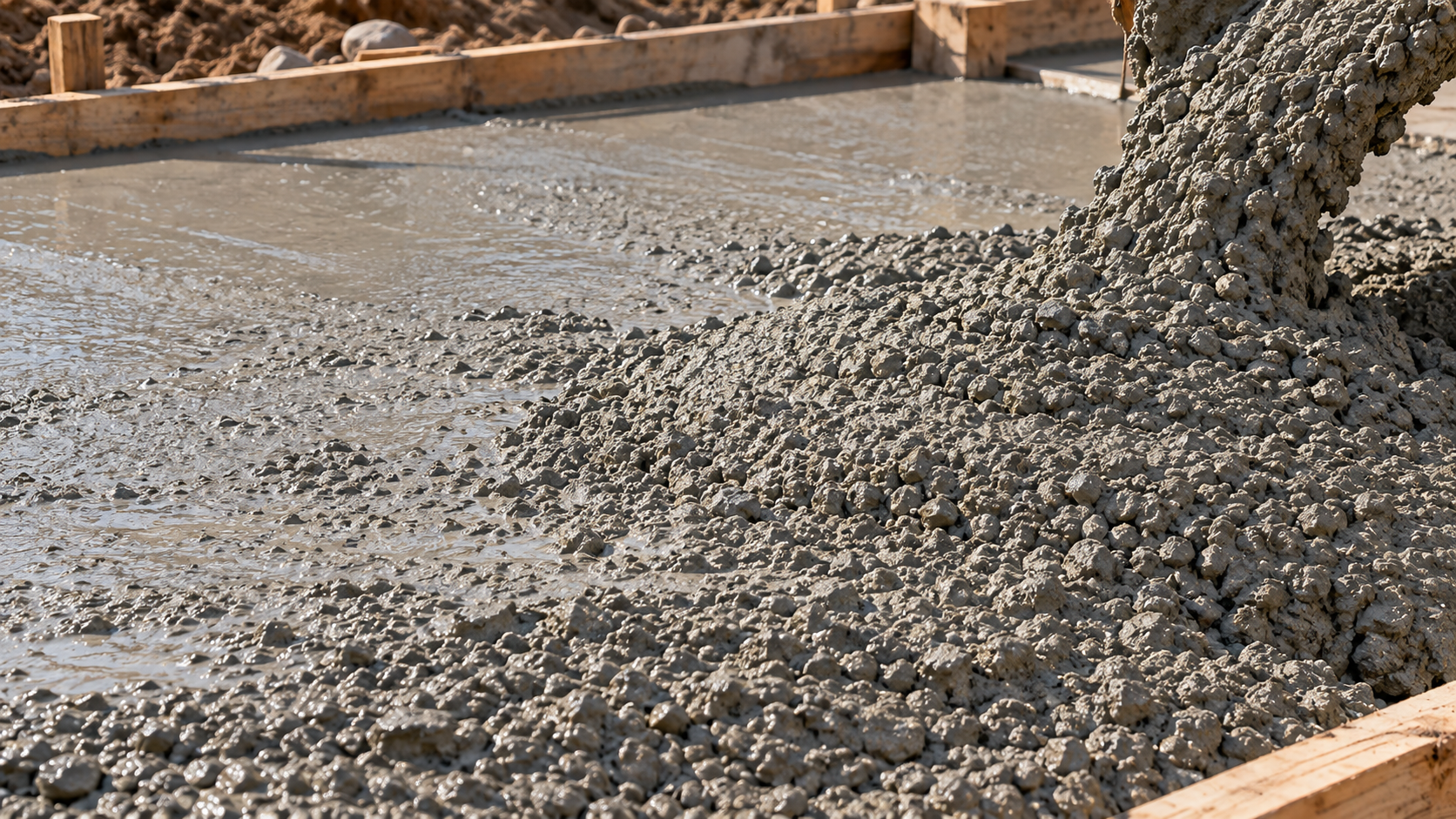
Ready-mix concrete is usually quoted by the cubic yard, but the amount ordered only tells part of the pricing story. What goes into those yards matters, as does what it takes to batch them, load the trucks, and get the concrete to the pour. A higher-strength mix can change the price before a truck leaves the plant, while a small order or a longer delivery can change what each yard costs once transportation enters the picture. Those differences are what make the details behind a ready-mix quote just as important as the price at the bottom.
- What Sets the Base Price of Ready-Mix?
The base price of ready-mix concrete starts with the raw materials batched into every yard. Cement is typically the most expensive ingredient, followed by sand, crushed rock, water, and the fuel that runs the plant and the mixer trucks. When cement or diesel prices rise, the per-yard figure on a quote tends to follow, even for a mix that has not changed at all.
- How Does PSI Affect Concrete Cost?
Compressive strength, measured in psi, is usually the largest cost variable within the mix, sitting right on top of that material base price. Higher-psi mixes generally carry more cement per yard, so a 4,500 psi mix costs more to batch than a 3,000 psi mix made from the same sand and rock. A 4-inch driveway for passenger vehicles commonly calls for around 3,500 psi, while a heavy-use commercial slab can call for 4,500 to 5,000 psi, as laid out in this guide to choosing a concrete mix for driveways, foundations, and heavy-use areas. A mix sized to the load the slab will carry keeps cement content where the job needs it.
- Do Admixtures Raise the Price per Yard?
Beyond the cement a psi target requires, each admixture is a separate material measured into the load, so every one added to a mix raises the price per yard. Water reducers, set accelerators for cool mornings, and retarders for hot afternoons each add a line to the quote. A below-grade foundation wall treated with Xypex waterproofing carries a different price than the same wall poured with a standard mix, since the treatment reacts inside the concrete instead of sitting on the finished surface. Synthetic fibers and integral color follow the same pattern, priced into every yard delivered rather than added on site.
- How Does Order Size Change Cost?
Once the mix is priced, every truck trip carries costs that stay about the same no matter how much concrete is in the drum, which is why order size moves the per-yard price. The driver’s time and the fuel for the round trip add up to a similar figure for a few yards as for a full load. Many suppliers set a minimum load size or add a fee below it, and the threshold varies from plant to plant, so it is worth confirming before a small pour gets scheduled.
Larger orders carry a different risk. A volume estimate that comes up short forces a second, partial truck late in the pour, while a modest allowance for uneven subgrade keeps the order to the trucks the quote already counted.
- Does Haul Distance Affect Ready-Mix Cost?
Haul distance stretches those same trip costs, since a longer haul adds fuel and truck time to every load and shortens the working window of the concrete before it reaches the forms. A site near the Windsor or Sonoma plant sees shorter round trips, so fewer trucks can keep a continuous pour supplied without gaps between loads. Some quotes build distance into a delivery charge or zone rate, which puts the site address among the first details a quote request needs.
- How Does Site Access Affect Cost?
At the site itself, access decides how long a truck spends unloading and what equipment the pour needs. A truck that can back up to the forms and discharge down its chute empties quickly. A backyard slab behind a finished house or a footing on a steep lot may need a pump to carry concrete to the placement point, which brings its own equipment and operator to the day.
Specialty placement adds another layer. Shotcrete for a pool shell or a curved wall is sprayed into place at high velocity, using a different mix and application method than a standard pour. Standby time can also carry a charge under many suppliers’ delivery terms, so a clear truck path and a crew ready at the forms keep unloading close to what the quote assumed.
- Does Timing Change the Price of Concrete?
Even with easy access, pour timing shows up on a concrete quote through the mix adjustments and scheduling each season requires. Summer heat speeds up set, so a hot-weather pour may call for a retarder, chilled mix water, or an early-morning start. Cool, rainy months shift the concern toward accelerators and curing blankets, along with weather delays that push a pour to a new date.
Pours scheduled outside normal plant hours, such as a night placement on a commercial job, can carry added charges because the plant and drivers run a separate shift. An early booking in the busy season gives the plant room to hold a delivery window instead of fitting the pour around other orders.
How Ready-Mix Concrete Costs Add Up
A useful ready-mix quote starts well before a truck is loaded. The plant needs to know what the concrete will be used for, how much the pour requires, where it is going, and what the truck will encounter when it arrives. Those details determine the mix that gets batched and the delivery plan needed to keep concrete moving to the forms without unnecessary trips or delays.
Northgate Ready Mix can work through those details before the order is scheduled, including mix requirements, volume, delivery distance, and site access from its Windsor and Sonoma locations. Request a quote for an upcoming pour with the project details in hand, and the price can be built around how the concrete will actually be batched, delivered, and placed.