
How Ready-Mix Concrete Helps Keep Large Summer Construction Projects on Schedule
July 1, 2026
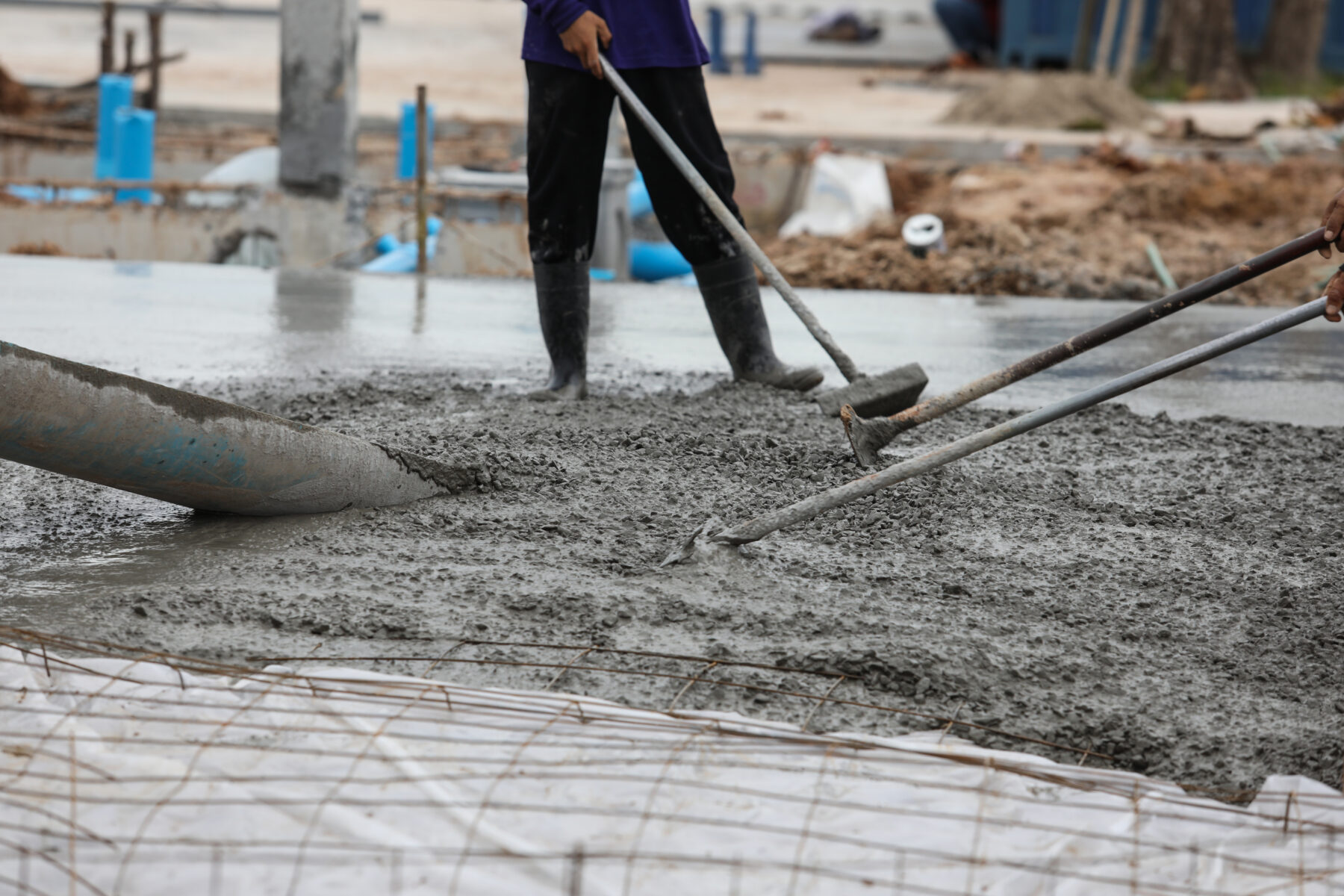
Summer is often the busiest season for large construction projects. Structural pours, flatwork, utility work, and paving are often happening all at once, each on its own tight timeline. In that kind of push, the concrete mix you use and how fast it shows up really matter. Hot weather changes how concrete behaves between the truck and the slab, so the details add up quickly. Ready-mix concrete that is built for those conditions keeps every phase moving and makes it easier for one stage to flow into the next
The Coordination Logic of Ready-Mix
It is not often that large projects run in isolation. Structural pours, flatwork, paving sequences, and utility work all overlap, each phase waiting on the one previous. Pre-batched concrete arrives ready for placement the moment the crew and forms are set, removing the batch preparation delays that on-site mixing introduces into an already loaded day. When pour windows are measured in hours, that difference compounds across a project’s full timeline.
Admixture selection becomes part of the scheduling strategy in summer conditions, not just a material specification. Concrete admixtures can adjust set time and workability to account for elevated temperatures, extending the placement window on exposed slabs and reducing the risk of premature stiffening before consolidation is complete. Mix-level control of that kind keeps the concrete working with the schedule rather than against it.
Matching Mix Design to Project Phase
No two phases of a large build ask the same thing from concrete. Foundation and structural work require load-rated mixes capable of handling dead weight and lateral forces. Fiber-reinforced concrete carries additional toughness through its matrix, distributing tensile stress across the slab and reducing cracking from shrinkage and impact loading. This produces a meaningful distinction on industrial floors, pavements, and precast structures where rework would cost both time and material. Block fill adds structural capacity to masonry walls without requiring separate reinforcement pours, keeping the masonry phase moving without added coordination overhead.
Lightweight concrete addresses a different constraint, particularly relevant on multi-story commercial work where floor-loading calculations limit what structural members can carry. Reduced dead load without reduced structural capacity gives design teams room that standard-weight concrete does not. On Bay Area commercial development projects, that flexibility can keep a floor system design on its original schedule without triggering re-engineering.
Public Works and DOT Project Demands
Public works and DOT projects operate under fixed inspection windows, material certifications, and traffic control permits that expire regardless of delivery status. A delayed pour can invalidate a permit window and push a phase back by weeks. Bridge decks, retaining structures, and public paving work require concrete that meets specific compressive benchmarks on a documented delivery schedule. Having a supplier with established DOT project experience means batch records and delivery tickets arrive alongside the truck rather than being chased down after the pour.
Specialty Mixes for Infrastructure and Below-Grade Work
Infrastructure projects regularly include below-grade components where moisture exposure becomes a structural concern from placement day forward. Xypex waterproofing concrete addresses this at the mix level, triggering a chemical reaction within the concrete matrix that seals against water intrusion without relying on surface-applied membranes. Foundations, water tanks, and tunnel linings placed with Xypex-treated concrete carry that waterproofing capacity built into the material itself, and remedial waterproofing after the fact carries cost and schedule weight that active project timelines cannot absorb.
Trench slurry handles a specific coordination gap on utility work, stabilizing the bedding zone for underground pipe without the placement delays that compacted aggregate lifts introduce. On large commercial sites where multiple utility trades run concurrently, trench fill that sets predictably and holds under adjacent compaction activity removes a common source of phasing disruption.
Commercial site work frequently closes with parking lot and hardscape installation, and pervious concrete brings stormwater management into that surface without a separate drainage infrastructure layer. Water moves through the slab matrix directly into the sub-base, cutting surface runoff and supporting groundwater recharge. For California commercial projects subject to stormwater compliance requirements, pervious concrete addresses both the structural surface need and the regulatory requirement in a single placement, removing a final-phase dependency that could otherwise delay project closeout.
Summer project windows are narrow, and the mix decisions made at bid stage shape how well each phase connects to the next. Contact the team at Northgate Ready Mix to request a quote and find the right mix solutions for the project’s scope and schedule.